Cooler air, indoor heating, tighter hats and scarves — seasonal shifts change what your hair and scalp deal with every day. If you’ve noticed extra strands in your brush or shower drain [especially in late summer or fall], you’re not alone.
Seasonal hair loss [also known as seasonal shedding] is common and usually temporary. Below, we’ll explain what’s going on, how to tell if your shedding fits the seasonal pattern,1 and the practical steps that help you keep more hair on your head and less on your sweater.
What is seasonal hair loss?
Seasonal hair loss is a temporary uptick in hair fall tied to calendar shifts and typically occurs between late summer and fall.2 It happens when more strands enter the resting and releasing phases of the growth cycle at once. You’re still growing new hair; you’re just shedding more of the old ones for a few weeks.
Quick tells it’s seasonal [not permanent] loss:
- Shedding increases for four to eight weeks, then tapers
- No widening part or receding hairline
- Shed hairs have a tiny, hard bulb at one end [a normal “club hair”]
- Scalp looks healthy [no burning, patchy scaling, or pain]
Common causes of seasonal hair loss.
There isn’t a single culprit responsible for seasonal shedding. In fact, a mix of contributors often stack up, especially as the weather and your routines change.
|
|
How to identify if you’re experiencing seasonal shedding.
Before you chalk it up to hair loss, look for the seasonal pattern. A brief uptick in shedding [without visible thinning] usually points to a normal cycle. Use these clues to gauge what you’re seeing.
|
|
So, is hair loss seasonal? For many people, yes. This is a short, predictable shift rather than permanent loss.
When is it probably not seasonal? Shedding that persists longer than three months, comes with visible thinning [wider part, receding edges], round bare patches, or pain/itching/scaling.
How to reduce seasonal shedding.
Gentle, consistent care keeps fibers flexible and reduces mechanical loss while shedding runs its course. Keep these tips in mind:
Wash smart.
|
Lower daily stressors.
|
Strength + Repair Collection
Nutritional support during seasonal shifts.
Hair fibers are built from protein and supported by micronutrients.3 Aim to eat your nutritional support first, and consider supplements only with medical guidance.
- Protein: Eggs, Greek yogurt, lentils, tofu, fish, poultry
- Iron + zinc: Lean red meat, legumes, pumpkin seeds, oysters
- Omega-3s: Salmon, sardines, walnuts, chia/flax
- Vitamins A, C, E: Sweet potatoes, leafy greens, citrus, berries, nuts
- Vitamin D: Safe sun, fortified dairy/alternatives; discuss testing if you’re indoors most of winter
- Hydration: Dry air inside/outside means more water, not less
If you suspect a deficiency [fatigue, brittle nails, very low ferritin, etc.], ask your primary care physician about labs before you supplement.
Living Proof solutions for seasonal shedding.
Seasonal shedding is mostly timing; what you can influence is how fragile lengths and a dry scalp behave while the air is cold and fabrics add friction. A light, steady routine works best to build slip into the fiber and keep the scalp comfortable.
Strength at the lengths.
When air is drier and hats add rub, hair benefits from extra slip so it detangles and styles with less snap.
Try this:
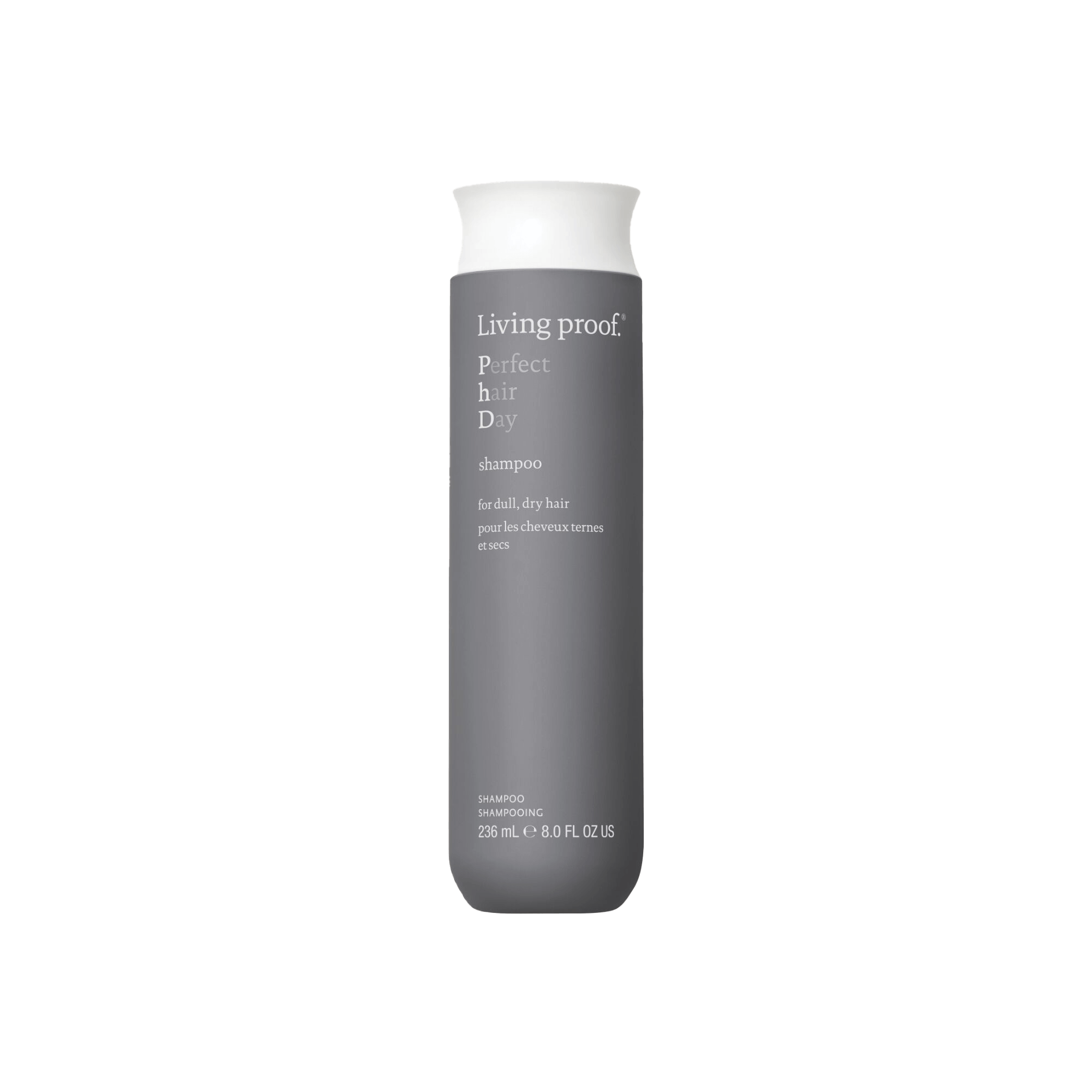
- Wash with Restore Shampoo and Restore Conditioner to cleanse and condition without roughing up the cuticle; detangle in the shower from ends upward.
- Once a week, use the Restore Repair Mask for a quick five-minute smoothing treatment that helps reduce breakage as you rinse and style.
- If hair feels especially stressed, add Triple Bond Complex weekly before heat; it’s a leave-in step that strengthens from the inside out.
- For a daily backup, mist Leave-In Conditioning Spray for lightweight conditioning and heat/UV protection.
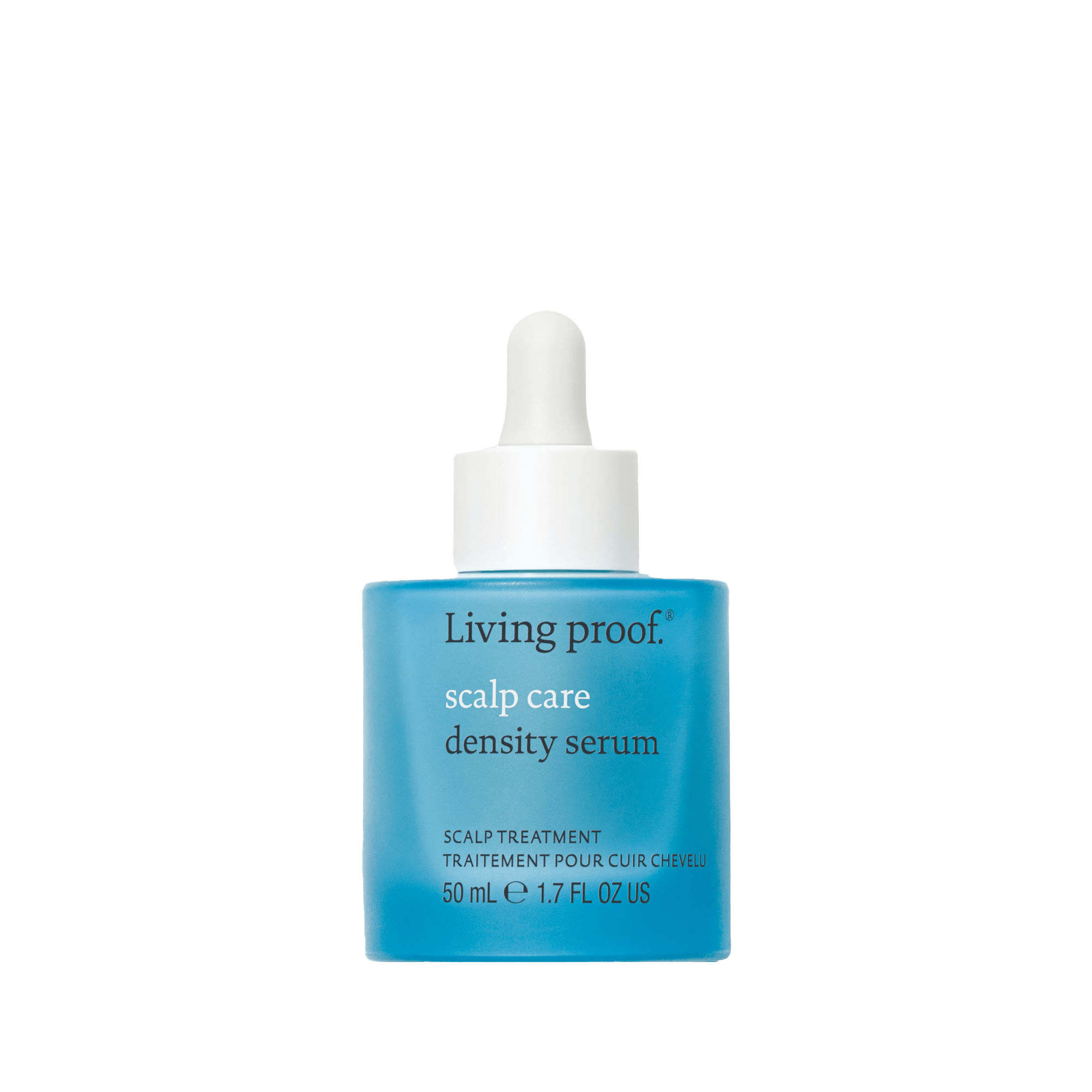
Balance at the roots.
A healthy scalp helps hair move through its cycle smoothly — and keeps tangles and friction in check.
Try this:
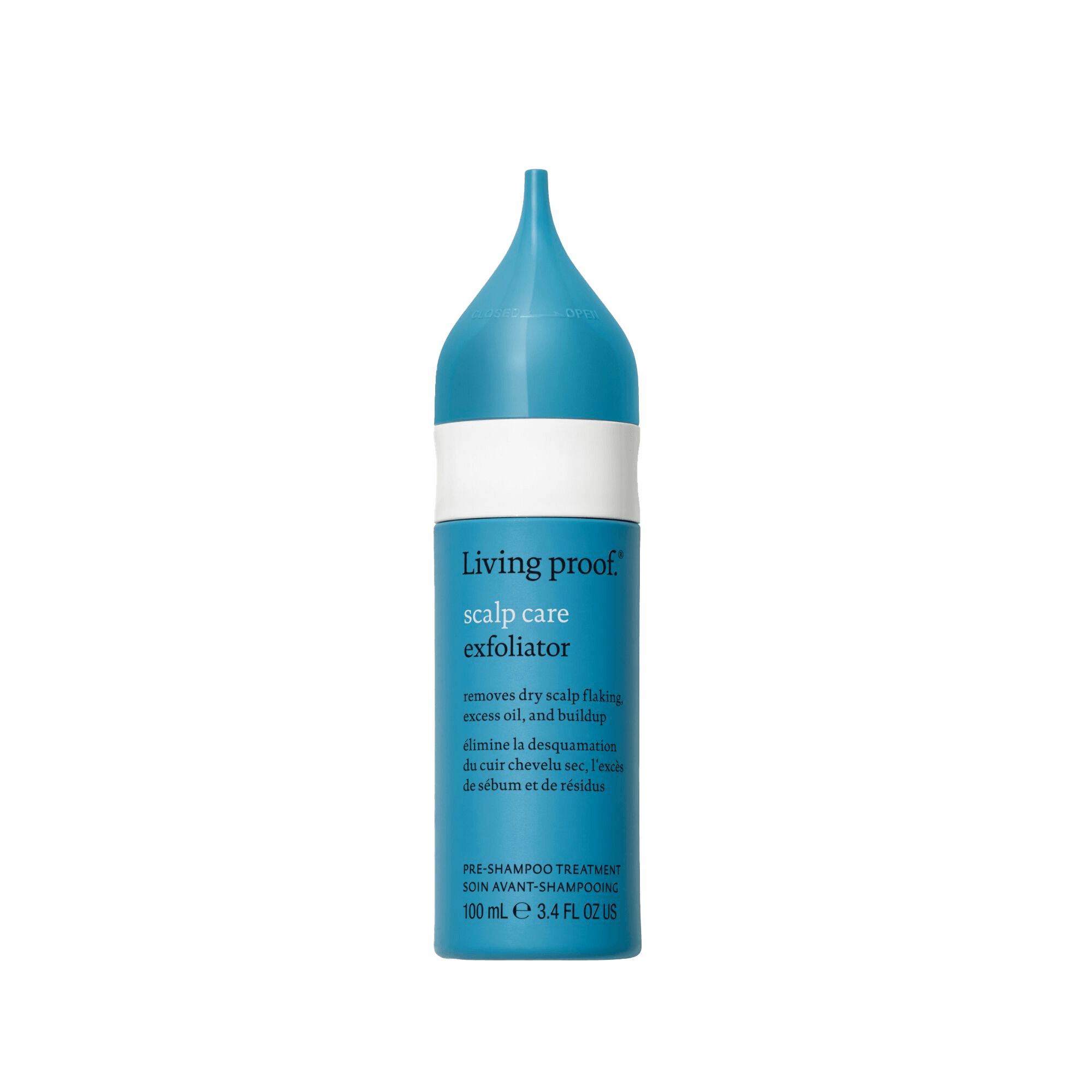
- Before shampoo, apply Scalp Care Exfoliator along the part and hairline to lift residue [dry shampoo, SPF, oils] and help reduce the look of flaking after a single use.
- After washing, if your scalp feels tight or itchy, work in Dry Scalp Treatment on clean, damp roots for instant hydration that lasts between washes.
- Use fingertips [or the Living Proof Scalp Care Massager] for a brief, gentle massage to distribute formulas and keep the scalp feeling balanced.
Put together, this rhythm keeps fibers flexible and the scalp calm, so the seasonal uptick in shed hairs passes with fewer tangles, less breakage, and an easier return to your normal baseline.
When to seek professional help.
Seasonal shedding usually lasts a few weeks and shows up evenly across the scalp, not as isolated patches or a receding area. If what you’re seeing looks different [long-lasting, patchy, or paired with scalp symptoms], it’s worth ruling out other causes.
Check in with a dermatologist4 or licensed provider if you notice any of the following:
- Shedding lasts longer than twelve weeks or recurs with worsening intensity
- Visible thinning [widening part, see-through ponytail] or distinct patches of loss
- Scalp symptoms, such as burning, pain, severe itch, scaling, or redness
- Postpartum shedding that doesn’t improve by about six months
- Recent medication changes, major illness, or crash dieting
- Family history of pattern hair loss and you’re seeing early signs
Take control of seasonal shedding with help from Living Proof.
Seasonal shedding is a normal part of the growth cycle, when more “club hairs” are released at once.
What you can control is the collateral damage from dry air, hats, and hot tools. Keep the scalp clean and comfortable so new growth can emerge, add slip with conditioner and a weekly mask, rotate low-tension styles, and turn down the heat. Those habits help you retain length while shedding runs its course and your baseline returns.
Want a plan that puts this into practice for your hair type and goals? Take our haircare quiz to build your fully personalized routine.
FAQs
What is seasonal hair loss?
Seasonal hair loss, also known as seasonal shedding, is a temporary increase in daily shedding tied to calendar shifts. It is most noticeable between late summer and fall, when more hairs enter the resting/shedding phases at once.
How long does seasonal hair loss last?
Seasonal hair loss typically lasts four to eight weeks, then tapers as your cycle evens out.
Does seasonal hair loss grow back?
Seasonal hair loss can grow back. The shed hairs are replaced as follicles cycle back to growth; keep daily stressors low so new length sticks around.
How do I stop seasonal hair loss?
You can’t stop seasonal hair loss, as it’s a natural cycle, but you can reduce excess loss with regular conditioning and masking, lower heat, low-tension styles, silk/satin accessories, light clarifying, and scalp-friendly cleansing.
How can I prevent seasonal shedding?
You can’t prevent seasonal shedding, but you can reduce excessive shedding by:
- Hydrating your hair and scalp
- Limiting heat styling
- Using heat protectant
- Deep conditioning weekly
- Clarifying as needed
- Wearing silk/satin-lined hats
- Detangling gently
- Rotating low-tension styles
- Trimming split ends
- Managing stress/sleep well
How do I know it’s seasonal and not something else?
You’ll know hair loss is season and not something else if you see more hair in your brush and shower, but don’t see a widening part or bare patches. Seasonal hair loss typically resolves within a few weeks. If shedding persists for more than three months or you see visible thinning, check with a dermatologist.
Does seasonal shedding affect women more than men?
Seasonal shedding does not affect women more than men. People of any gender can notice seasonal shifts. Searches for “seasonal hair loss female” are common because women often spot it more easily: Hair length makes shedding more visible, and some styling habits can add friction at the hairline.
Notes
-
Dermatology, “Seasonality of hair shedding in healthy women complaining of hair loss,” https://pubmed.ncbi.nlm.nih.gov/19407435/. ↩
-
British Journal of Dermatology, “Seasonal changes in human hair growth,” https://pubmed.ncbi.nlm.nih.gov/2003996/. ↩
-
Dermatology and Therapy, “The Role of Vitamins and Minerals in Hair Loss: A Review,” https://pmc.ncbi.nlm.nih.gov/articles/PMC6380979/. ↩
-
American Academy of Dermatology, “Do you have hair loss or hair shedding?” https://www.aad.org/public/diseases/hair-loss/insider/shedding. ↩