Dryness often shows up without warning. One week, your hair feels soft and manageable. The next week, it looks dull, feels tight, or tangles more easily, even though nothing in your routine has changed. Weather shifts, indoor heat, sun exposure, and humidity all influence how much moisture hair can retain, which explains why your hydration needs change with the season.
If seasonal shifts are affecting how your hair looks and feels, leave-in conditioner could be the step you're missing, as it helps maintain moisture between washes while supporting smoother texture and easier styling. This guide breaks down what matters most when choosing the best leave-in conditioner, from seasonal hydration needs to formula differences across hair types.
Why seasonal changes affect your hair’s hydration
Hair reacts to its environment more than most people realize. As the seasons shift, changes in temperature, humidity, and daily habits can affect how well hair retains moisture. Even with a consistent routine, hair can feel different from one season to the next.
The way hair responds to seasonal changes tends to fall into a few clear patterns.
Colder months
|
Warmer months
|
Year-round habits that shift with the seasons
|
As hydration needs shift throughout the year, a product that works well in one season may feel less effective in another. Understanding these patterns helps explain why hair responds differently over time and sets the stage for choosing products that support moisture more consistently.
How leave-in conditioners can help support hydrated hair
As hydration needs shift with the season, hair benefits from support that lasts beyond the shower. Rinse-out conditioners work in the moment, but their effects can fade once hair dries and is exposed to daily stressors. Leave-in conditioners are designed to stay on the hair, offering continued support throughout the day.
A well-formulated leave-in conditioner can help by:
|
|
Because leave-in conditioners stay on the hair, they can be adjusted based on seasonal needs. Some people reach for lighter options during warmer months, while others prefer more conditioning support when hair feels drier or more fragile. Understanding how these products work makes it easier to decide when to add one to your routine and what role it should play alongside your existing products.
How to choose a leave-in conditioner by season
Seasonal changes affect how much moisture your hair needs and how it responds to different formulas. Paying attention to the time of year can help you decide which type of leave-in conditioner will feel most effective in your routine.
Cold + dry seasons
During colder months, hair often loses moisture more quickly due to dry air and indoor heating. Static, rough texture, and increased tangling are common concerns.
What to look for:
- More conditioning support to help maintain softness
- Formulas that help smooth the hair surface
- Added protection from daily styling stress
When hair feels drier or more fragile, richer leave-in options can help support hydration between washes without relying on frequent deep treatments.
Warm + humid seasons
In warmer months, humidity and increased washing can affect how hair behaves throughout the day. Hair may feel weighed down more easily, even while still needing moisture.
What to look for:
- Lightweight formulas that hydrate without buildup
- Options that layer well with stylers
- Added UV or heat protection for time spent outdoors
Spray-based or weightless leave-ins often feel more comfortable in these conditions, especially if your hair tends to fall flat.
Spring + fall transitions
Transitional seasons can be unpredictable, with shifting temperatures and humidity levels from week to week.
What to look for:
- Flexible formulas that adapt to changing conditions
- The option to rotate between lighter and more conditioning textures
- Products that fit easily into your existing routine
Having more than one leave-in on hand makes it easier to adjust based on how your hair feels on a given day rather than sticking to one approach year-round.
Understanding how seasons affect your hair helps narrow down which leave-in conditioner makes sense at different points in the year and sets you up to choose a formula that supports consistent hydration over time.
Which leave-in conditioner is right for you?
Finding the right leave-in conditioner starts with understanding what your hair needs at a baseline. Consider your hair type, texture, and condition, as well as how seasonal changes can shift what your hair needs. A formula that feels right in one season may feel too light or too heavy in another.
Before choosing a product, it helps to consider a few core factors.
Your hair type + texture
Different textures respond best to different levels of conditioning support.
- Fine or thinner hair often benefits from lightweight formulas that hydrate without adding weight.
- Medium to thick hair may need more conditioning ingredients to maintain softness and flexibility.
- Curly or textured hair typically requires added moisture to support definition and reduce dryness.
Your hair’s current condition
How your hair looks and feels matters as much as its natural texture.
- Dry or brittle hair may need more consistent moisture between washes.
- Color-treated or damaged hair often benefits from formulas that support softness and strength.
- Hair that tangles easily may respond better to leave-ins with added slip.
The season you’re in
Environmental changes affect how much moisture hair loses throughout the day.
- Warmer months may call for lighter textures that layer well with styling products.
- Colder months often require more conditioning support to counter dry air and indoor heat.
Choosing a leave-in conditioner with these factors in mind helps narrow the options and makes it easier to find a formula that fits into your routine. In the next section, we’ll look at specific Living Proof leave-in options and how each one supports different hair needs throughout the year.
Shop Treatments
Compare Living Proof leave-in conditioners by hair type + concern
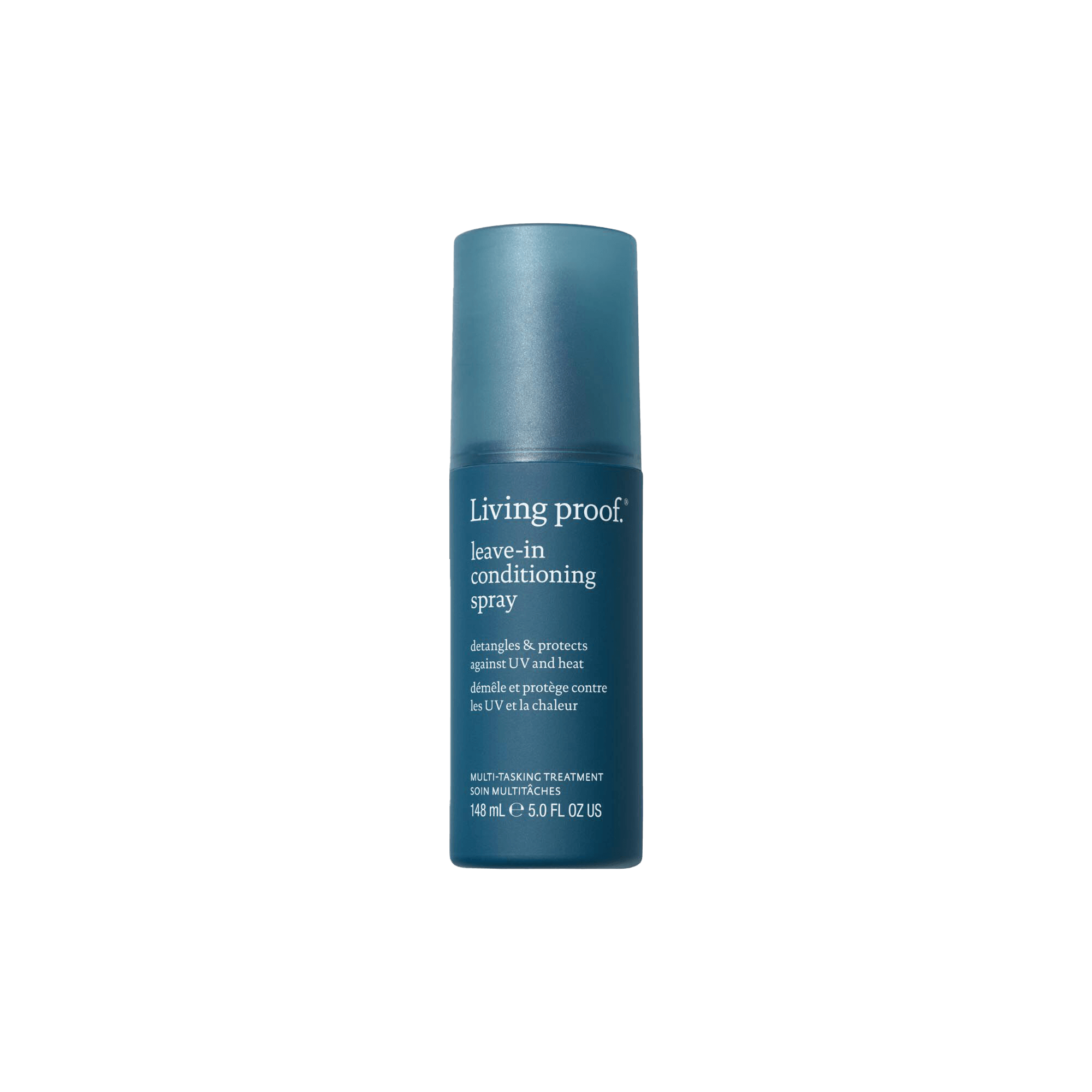
Living Proof offers two leave-in conditioners designed to support hydration in different ways, depending on your hair type, condition, and seasonal needs.
The Leave-In Conditioning Spray focuses on lightweight detangling and daily protection, while Restore Repair Leave-In provides more intensive support for hair that feels damaged or stressed.
The comparison below helps clarify which option fits best based on how your hair behaves throughout the year.
| Hair type + concern | Best Living Proof option | Why it works |
| Fine to medium hair that tangles easily | Leave-In Conditioning Spray |
|
| Hair exposed to heat, UV, or daily styling | Leave-In Conditioning Spray |
|
| Damaged or weakened hair | Restore Repair Leave-In |
|
| Color-treated hair needing extra care | Restore Repair Leave-In |
|
Both leave-in options are designed to stay on the hair, which makes them easy to adjust as seasons change. Lighter sprays often work well when hair feels weighed down, while richer formulas can offer added support when hair feels dry or fragile.
Keep your hair hydrated all year round with Living Proof
Changes in weather, routines, and styling habits all affect how your hair looks and feels over time. Paying attention to those shifts makes it easier to adjust your routine before dryness, tangling, or dullness sets in.
A well-chosen leave-in conditioner can help support moisture between washes and bring more consistency to your routine, especially as the seasons change. Whether your hair needs lightweight conditioning or added repair support, selecting a formula that fits your hair type and current concerns helps maintain softness, manageability, and overall hair health.
Want help choosing the right products for your hair type, condition, and seasonal needs? Take our Haircare Quiz to build a routine that works with how your hair behaves year-round.
Haircare Quiz
FAQs
How do I choose the right leave-in conditioner?
Choosing the right leave-in conditioner starts with your hair type, current condition, and environment. Fine hair often benefits from lightweight sprays, while thicker or damaged hair may need more conditioning support. Seasonal changes also matter, since hair can feel drier in colder months and heavier in humid weather. Matching the formula to how your hair behaves day to day helps avoid buildup or under-conditioning.
In what order should I use leave-in conditioner?
Leave-in conditioner is applied after shampoo and rinse-out conditioner. Once hair is clean and gently towel-dried, apply leave-in conditioner to damp hair before styling products. This order helps support moisture retention and makes hair easier to manage during styling.
How do I know how much leave-in conditioner to use?
The right amount depends on hair length, density, and formula type. Start with a small amount and add more only if needed. Fine hair usually needs less product, while thicker or longer hair may require more. Hair should feel soft and manageable, not coated or weighed down.
What is the best recommended leave-in conditioner?
The best leave-in conditioner is one that matches your hair type, condition, and lifestyle. Lightweight options work well for daily use and detangling, while more conditioning formulas support damaged or stressed hair. Focusing on how your hair responds over time helps identify the best option for your routine.
Which brand of leave-in conditioner is best?
The best brand is one that develops formulas based on performance and real-world hair concerns. Living Proof leave-in conditioners are designed with science-backed technology to support hydration, detangling, and protection across different hair types and seasons.